
For Christmas this (last) year my wife wanted the real thing, a proper, from-scratch, Northern Italian lasagna. A while back I posted a meatless, gluten-free, lactose-free Lasagne al Forno using Beyond Meat. It was fun and surprisingly good… but let’s be honest: nothing replaces the depth and comfort of a classic ragu layered with fresh pasta, creamy besciamella and Parmigiano-Reggiano.
So this year we did it right. No substitutes, no shortcuts, just the traditional method from Northern Italy.
7 Reasons Why This Lasagne al Forno Works
1. The Balance of Richness + Restraint (Classic Northern Italian Philosophy)
Northern Italian cooking is all about harmony.
Nothing is loud. Nothing overpowers. Everything supports everything else.
This lasagne works because it follows that principle:
- Ragù brings deep savoriness.
- Besciamella brings creaminess and softness.
- Fresh pasta acts as the delicate vehicle.
- Parmigiano-Reggiano brings salinity and umami without heaviness.
No mozzarella, no ricotta, no big spices… just balance and elegance.
2. Slow-Cooked Ragù Creates Layers of Flavor
Traditional ragù isn’t tomato-forward. It’s meat-forward.
The long simmer, not the ingredients, is the secret.
During 3–4 hours of cooking:
- Vegetables melt into sweetness
- Pancetta perfumes the sauce
- Wine adds acidity and fruit
- Beef + pork develop depth
- Stock reduces into a silky body
By the end, the ragù is velvety, savory and complex, but never oily or heavy.
You get a sauce that coats the pasta rather than drowning it.
3. Besciamella Softens and Lightens the Dish
This is the genius of Northern Italian lasagne:
Instead of ricotta (Southern) or mozzarella (American), you add a light, creamy besciamella. It:
- Smooths the ragù
- Adds richness without weight
- Gives the lasagne its signature “melt in your mouth” tenderness
- Helps bind the layers so they slice beautifully
The nutmeg is classic adding a subtle warmth that ties the flavors together.
4. Fresh Pasta Is the Backbone
Fresh egg pasta (especially thin sheets) makes the dish luxurious, because:
- It absorbs the ragù
- It softens into the besciamella
- It stays delicate rather than chewy
- It cooks evenly since all moisture is inside the lasagna
Each layer becomes part of a unified whole you don’t get separate strata, you get one seamless, silky structure.
5. Parmigiano-Reggiano Adds Depth Without Overpowering
Instead of blanketing the dish with mozzarella, Parm does 3 things:
- Adds umami
- Adds slight nuttiness
- Helps the top brown beautifully
It elevates every bite without making the dish gooey or heavy.
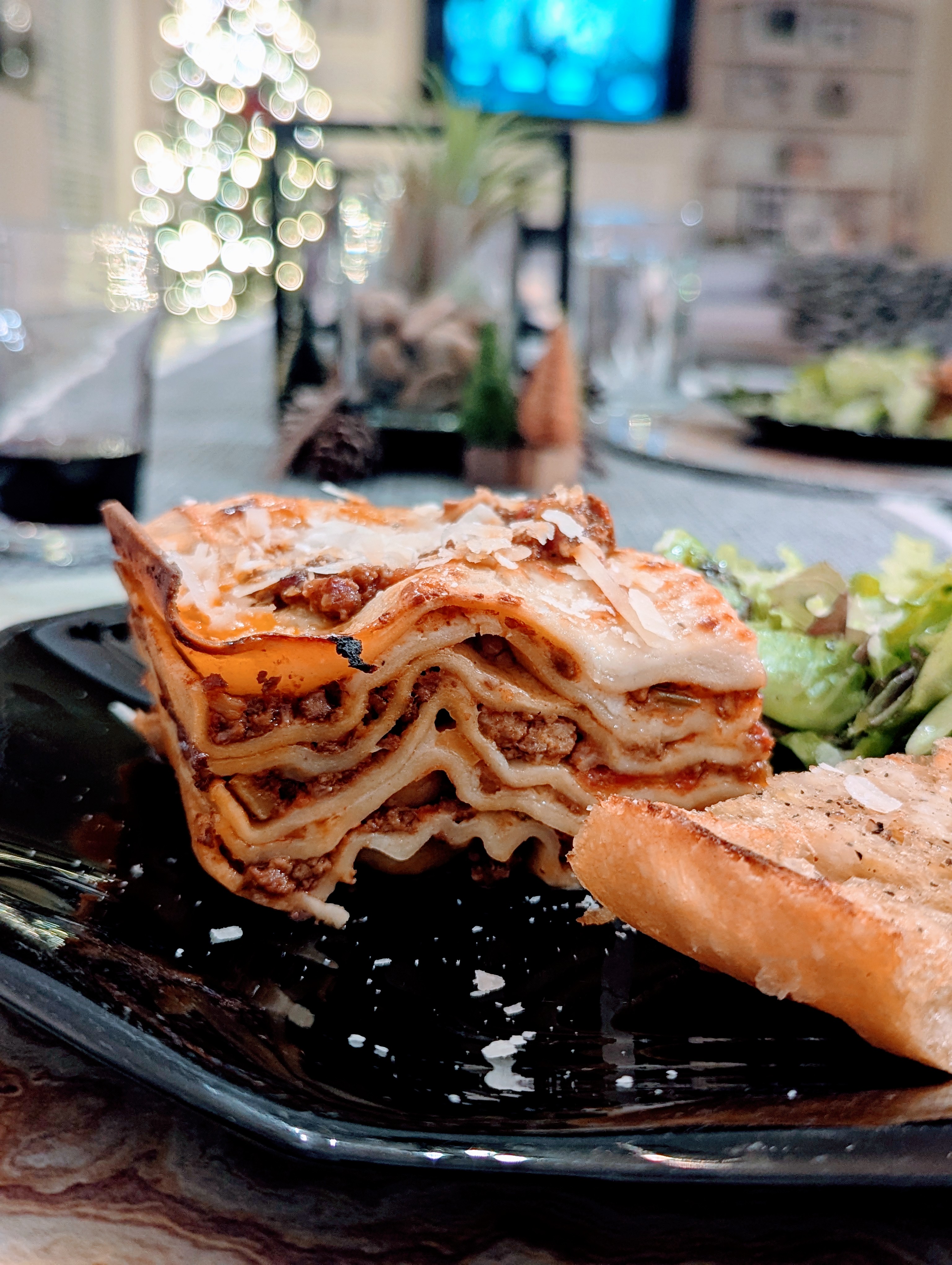
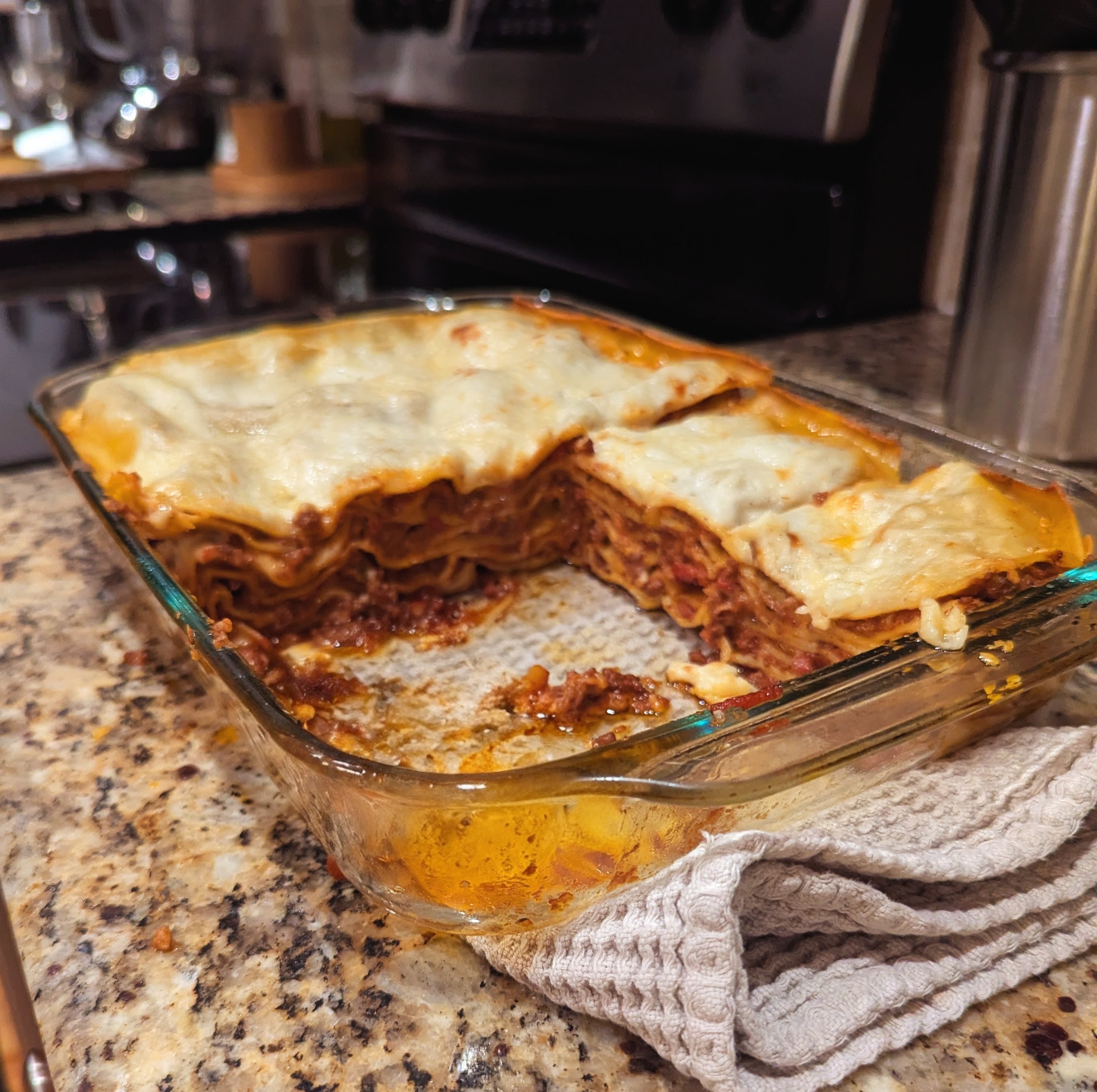
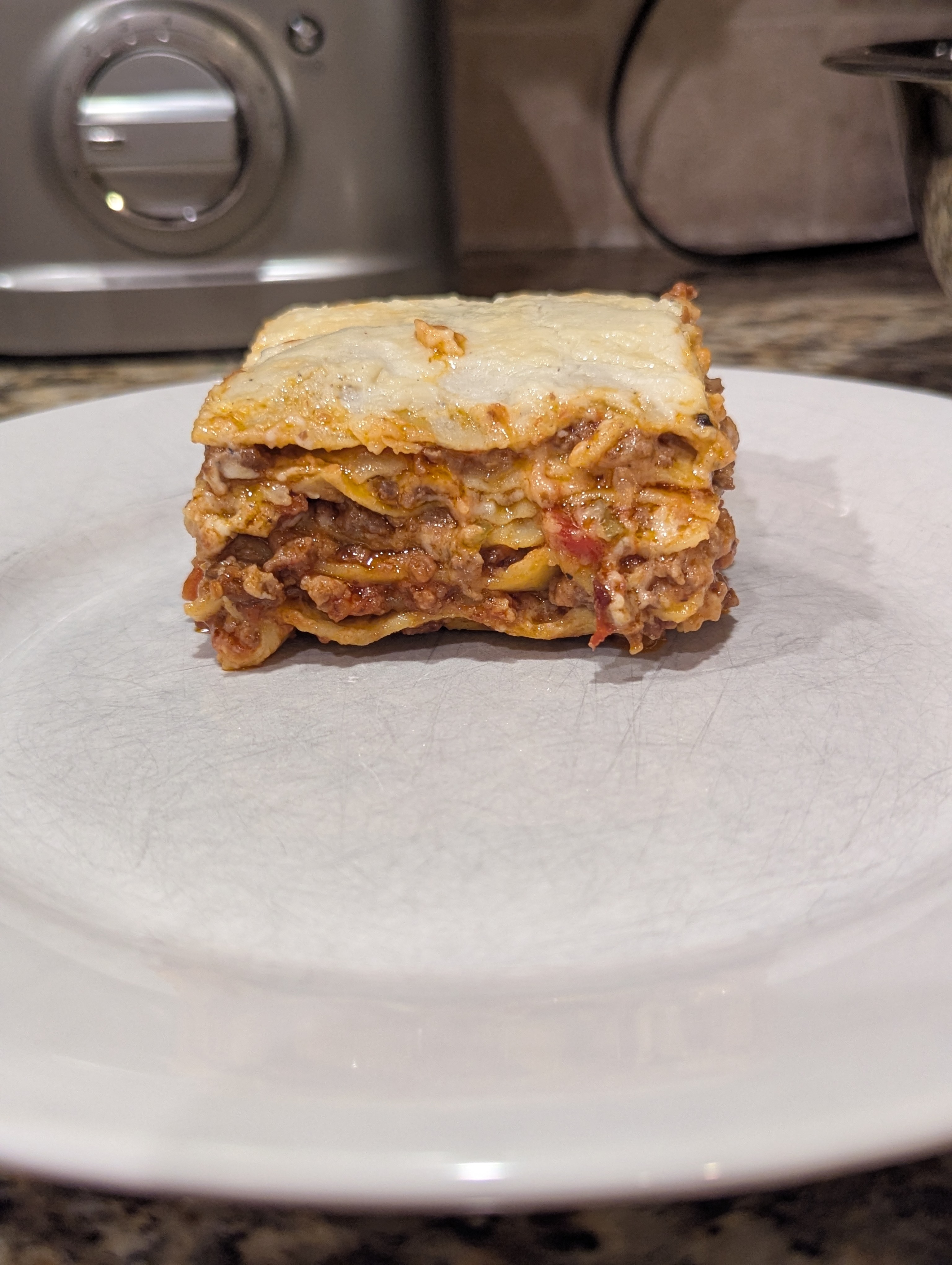
6. Many Thin Layers = Perfect Texture
Authentic Lasagne al Forno is defined by thin, repeated layers.
That’s what gives you the iconic texture:
- Soft
- Tender
- Custardy
- Almost soufflé-like in the center
It’s rich but not dense. Comforting but still refined.
7. Every Component Is Mild—but Together They Sing
Northern Italian cuisine is subtle. Nothing stands alone as the “star.”
The magic comes from how everything interacts:
- Sweetness from the soffritto
- Savory richness from the meats
- Acid from wine and tomatoes
- Creaminess from besciamella
- Salt + umami from Parmigiano
- Tenderness from fresh pasta
Every part enhances the others.
That’s why the final product tastes deep, comforting and somehow effortless.
TLDR: (In Short)
This lasagna works because it respects the Northern Italian rhythm:
slow ragù, soft besciamella, thin pasta, restraint, balance and harmony.
It’s a dish built on patience, technique and the quiet confidence of ingredients allowed to shine.
Ingredients
Ragù alla Bolognese
- 1–2 tbsp olive oil
- 1 cup white onion, finely chopped
- 1 cup carrot, finely chopped
- 1 cup celery, finely chopped
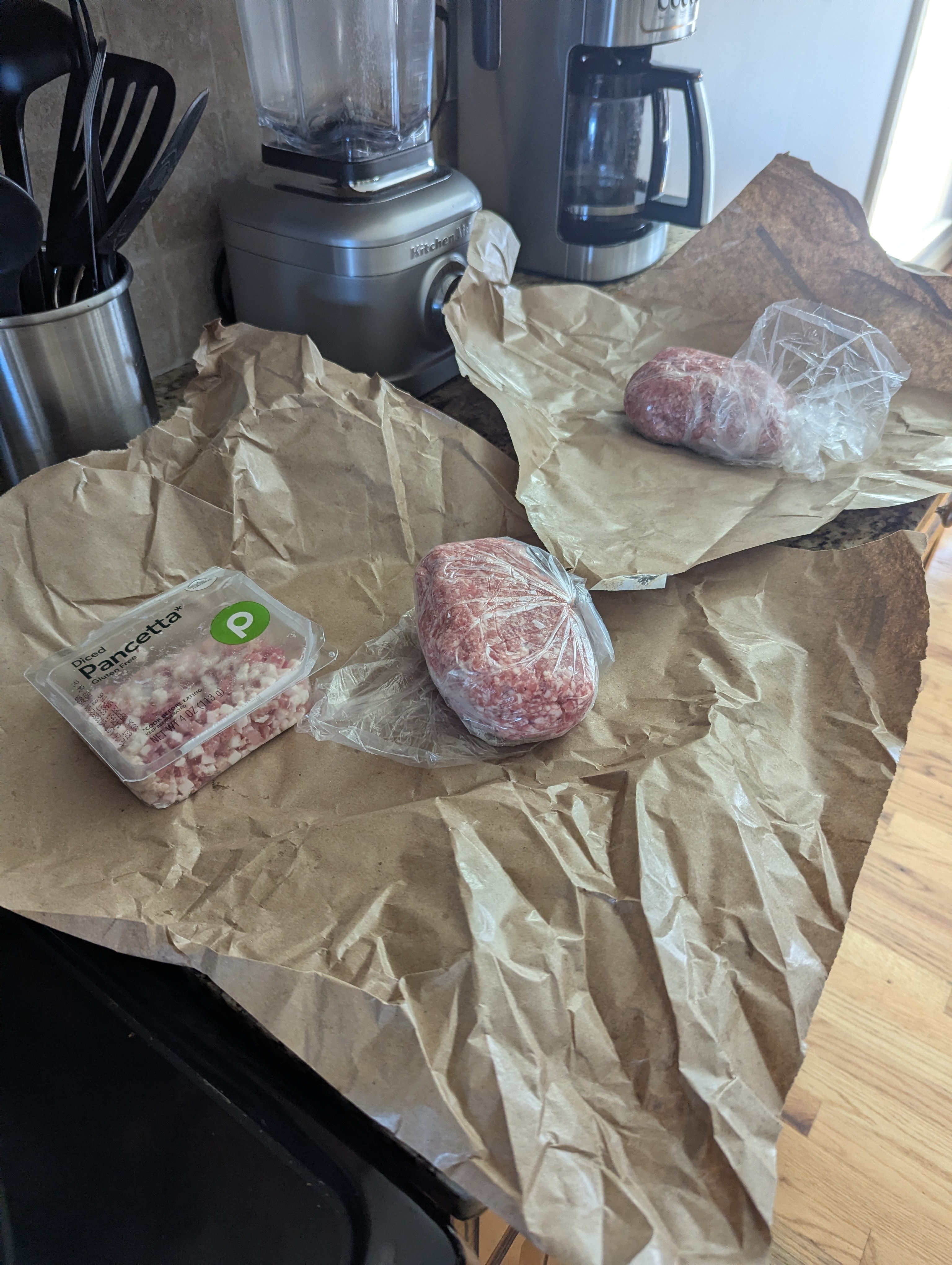
- 3–4 oz pancetta, diced
- 1 lb ground beef
- 1 lb ground pork (or mild Italian sausage, casings removed)
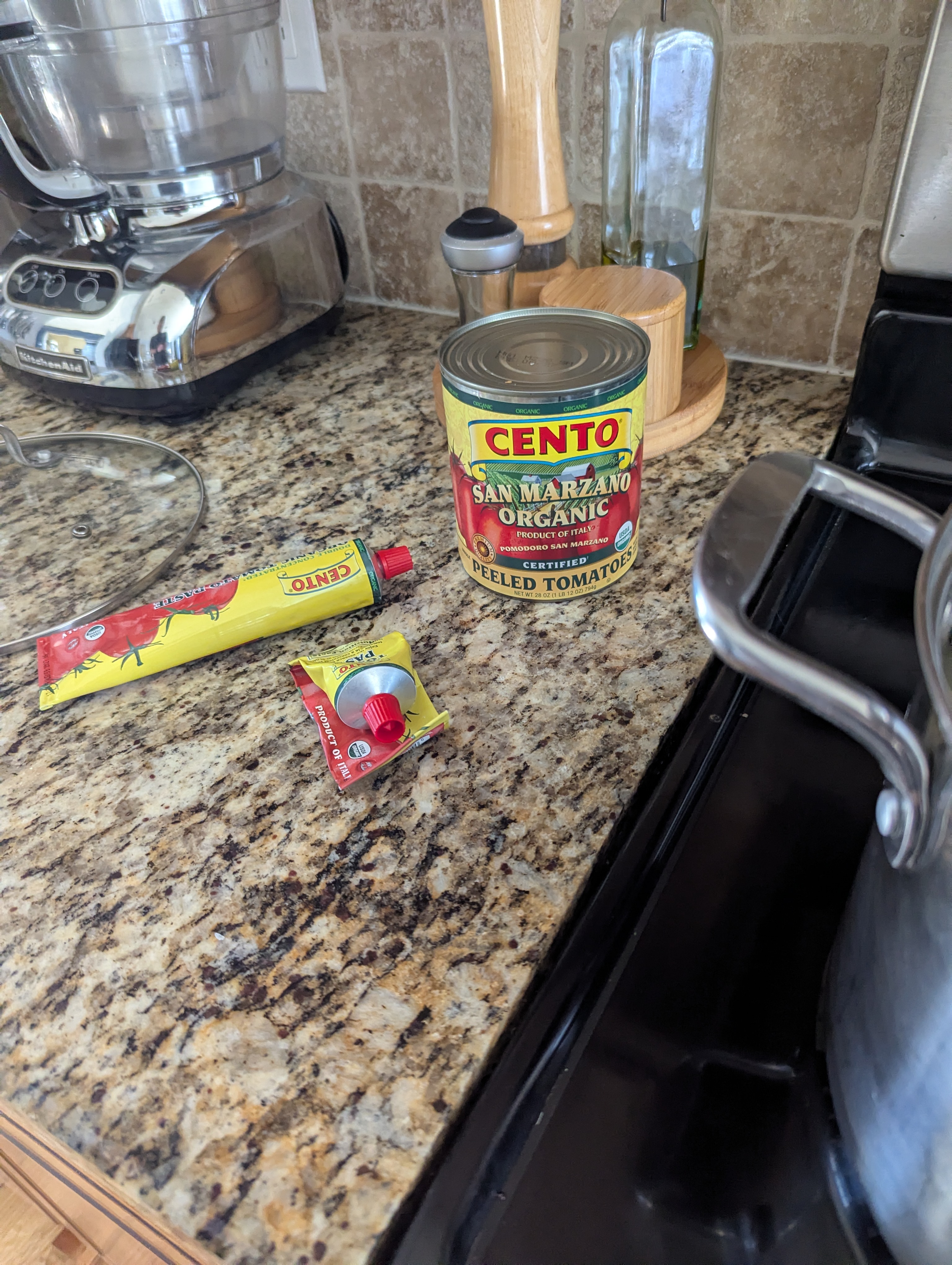
- 1 28-oz can whole San Marzano tomatoes, crushed by hand
- 3 tbsp tomato paste
- 1–1.5 cups dry red wine
- 2–3 cups beef stock (added gradually as needed)
- 2 bay leaves
- Salt and black pepper to taste
Besciamella (Béchamel)
- 5 tbsp unsalted butter
- 5 tbsp AP flour
- 2 cups whole milk
- 1-1.5 cups half-and-half
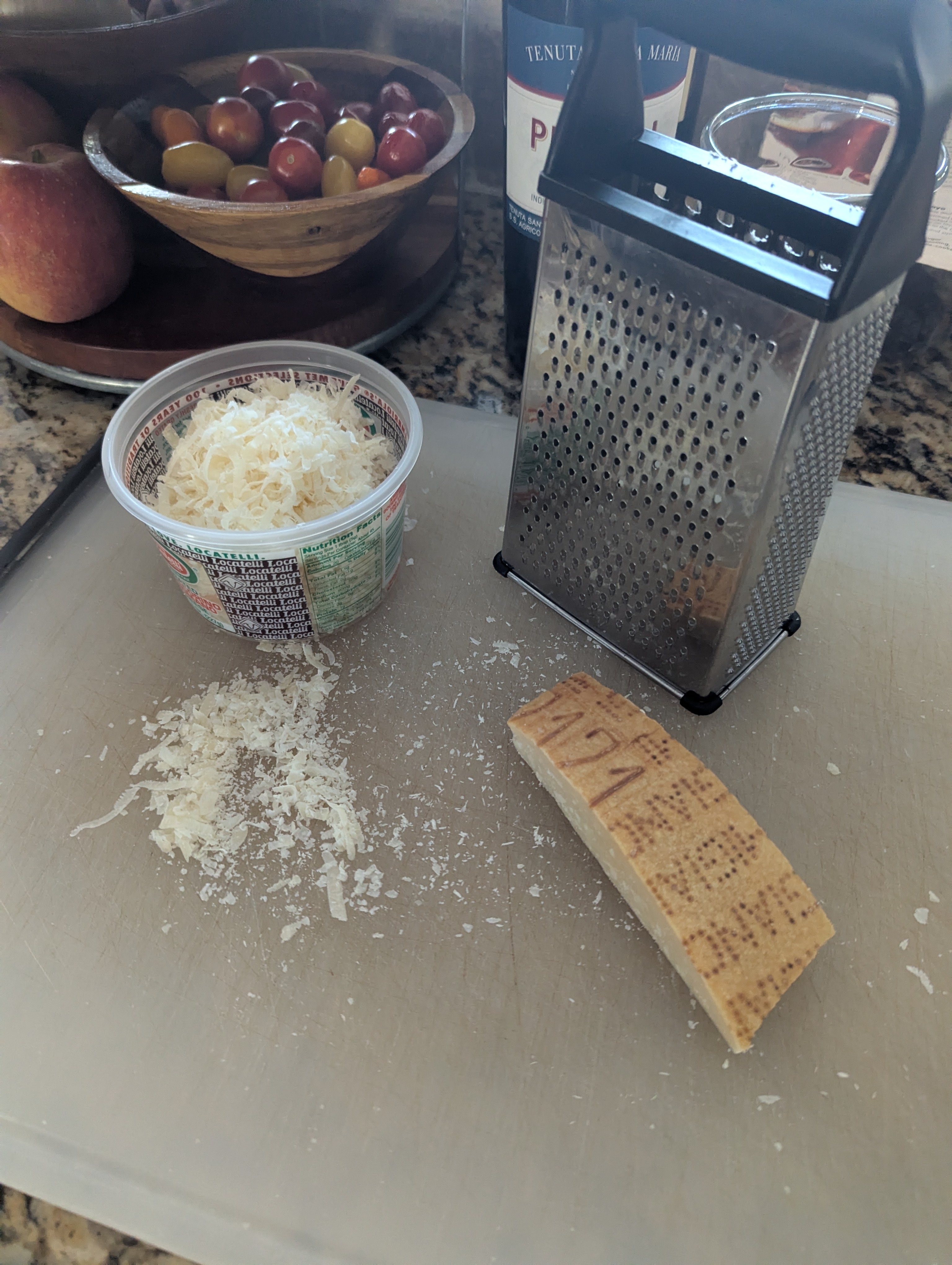
- 1/2 cup Parmigiano-Reggiano (in the sauce)
- 1/2 tsp freshly grated nutmeg
- Salt and pepper to taste
For the Lasagne
- 6–8 fresh lasagne sheets (home-made; thinly rolled or we used Naked Pasta)
- 1.5–2 cups Parmigiano-Reggiano, grated (for layering)
Directions
How to Make the Ragù
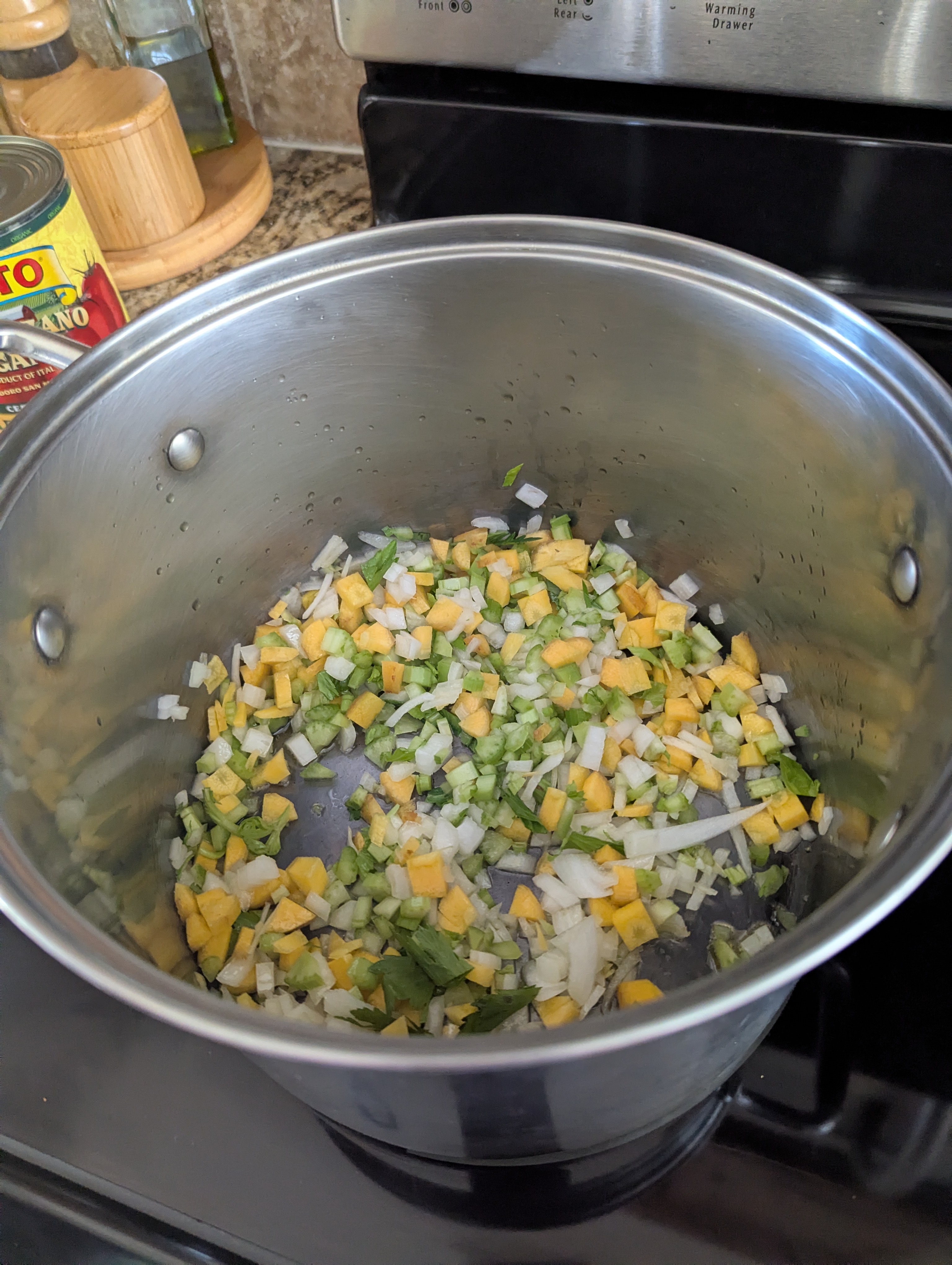
- Heat the olive oil in a large Dutch oven over medium heat.
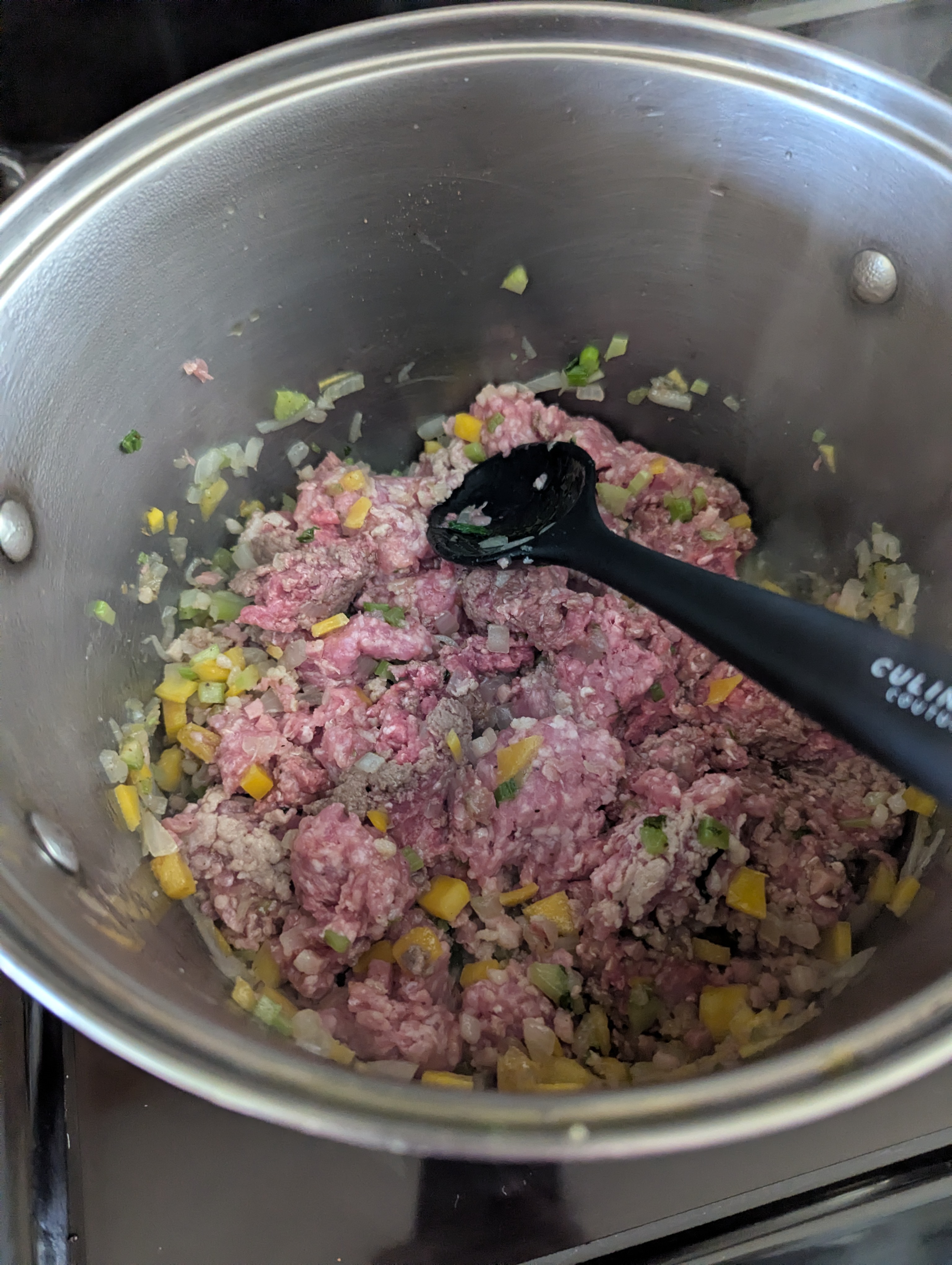
- Add onion, carrot and celery. Sauté gently until softened not browned.
- Add pancetta and cook until rendered.
- Add beef and pork. Break into small pieces and cook until no longer pink.
- Add the wine and let it reduce by half.
- Stir in tomato paste, then add the crushed tomatoes.
- Add 1 cup beef stock, bay leaves and season lightly.
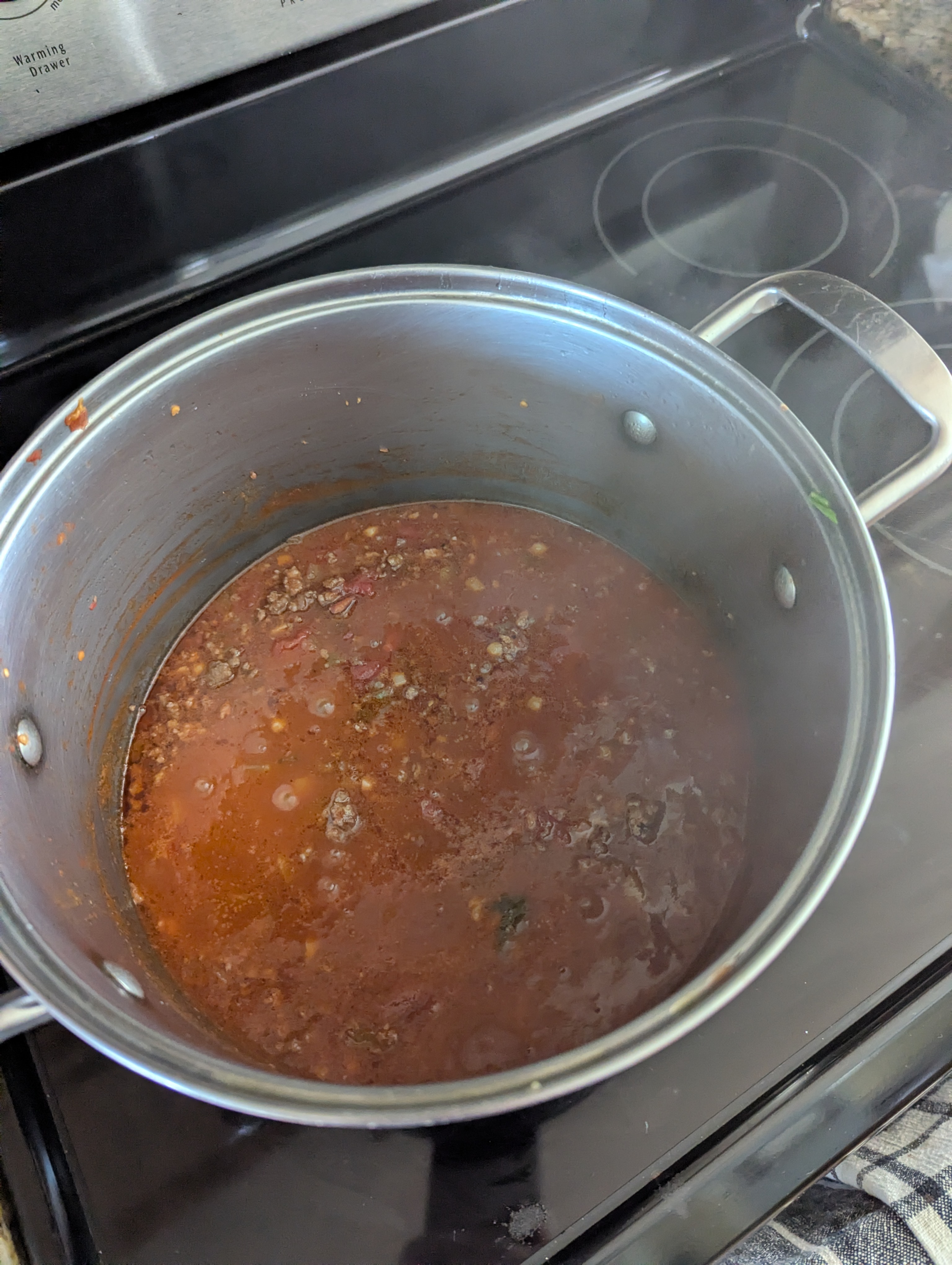
- Reduce heat to low and simmer 3–4 hours, adding more stock as needed to maintain a loose, silky consistency.
(Northern Italian ragù should never be dry or thick like chili.)
How to Make the Besciamella (white sauce)
- In a medium saucepan, melt butter over medium heat.
- Whisk in the flour and cook 1–2 minutes, until pale blond.
- Slowly add the milk and half-and-half, whisking until smooth.
- Cook until velvety and thickened.
- Add Parmigiano, nutmeg, salt and pepper.
- Cover and keep warm.
How to Assemble Lasagne al Forno
- Preheat oven to 350°F.
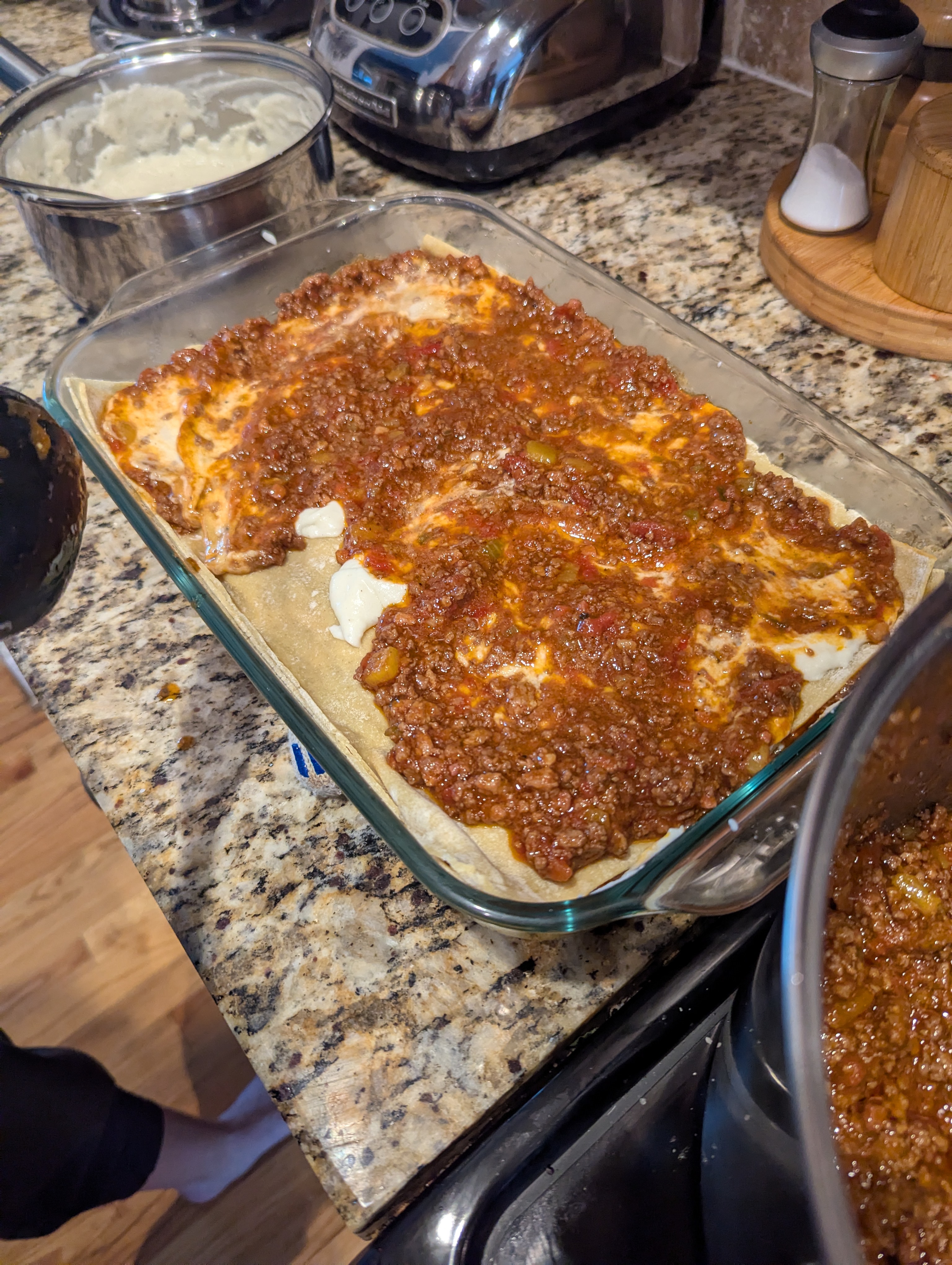
- Spread a thin layer of ragù on the bottom of a 9×13 baking dish.
- Add a layer of fresh pasta.
- Drizzle besciamella, spread thin layer of ragù, then sprinkle Parmigiano.
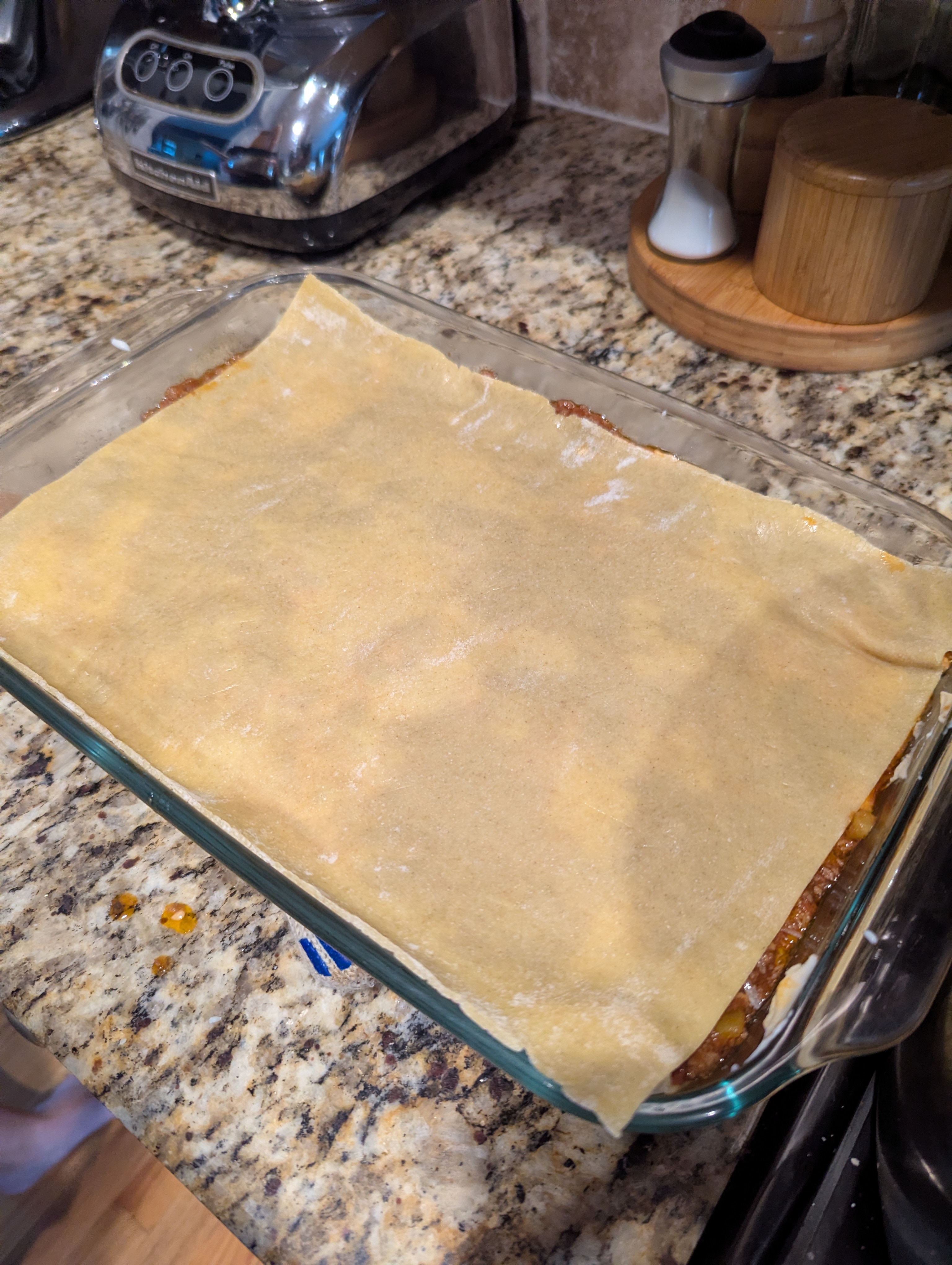
- Repeat for 6–8 thin layers.
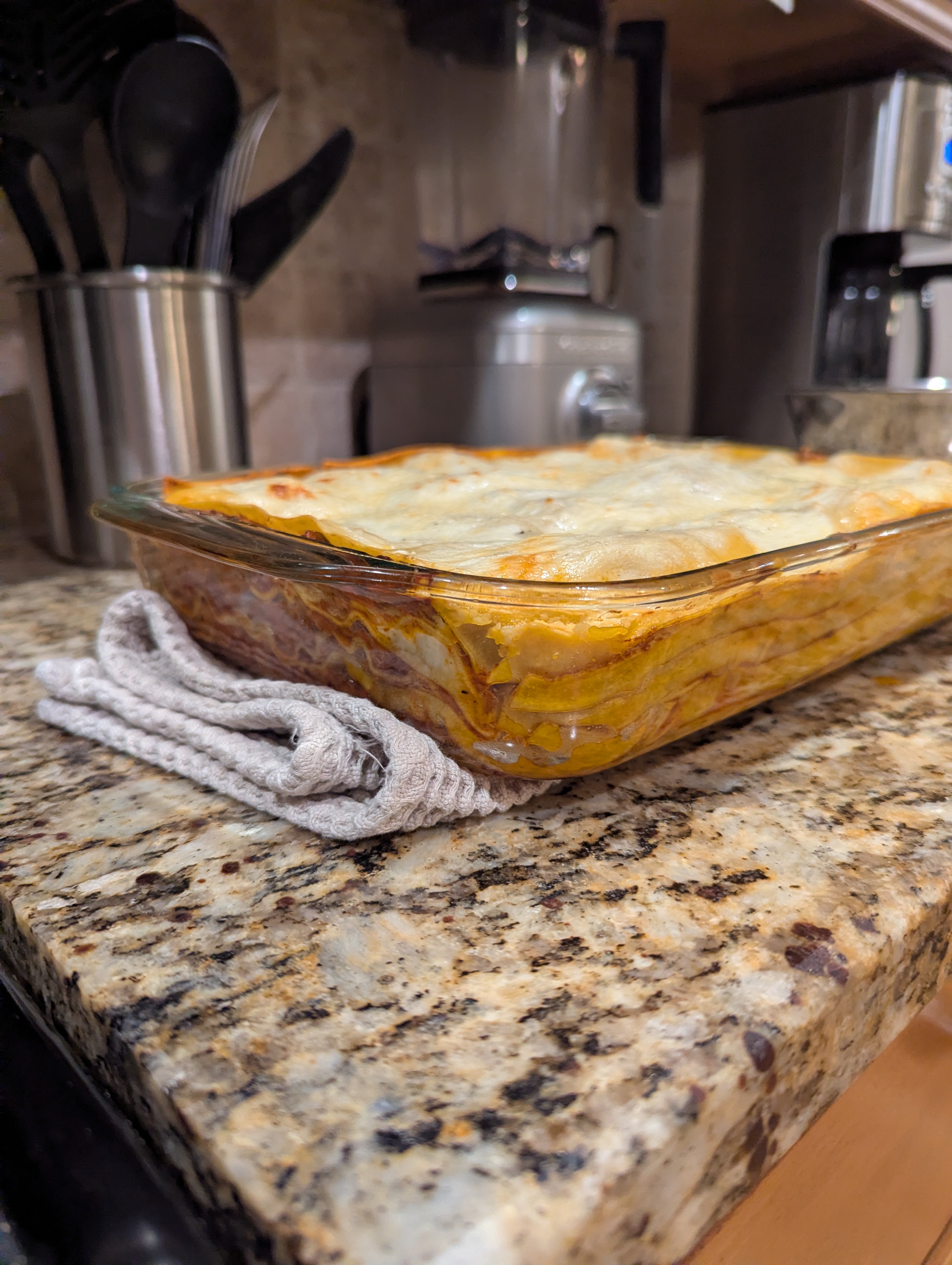
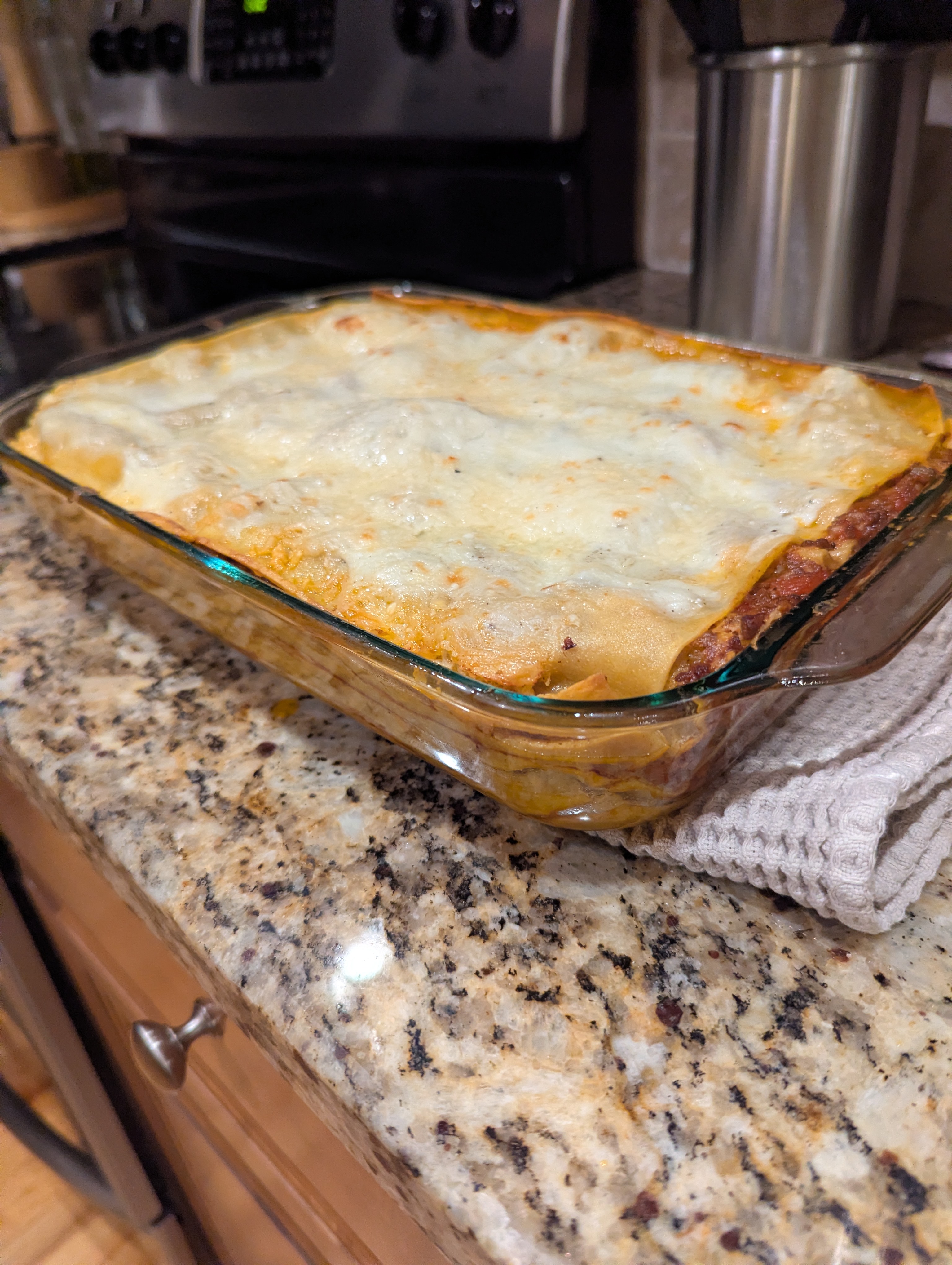
- Finish with a final layer of pasta, besciamella and Parmigiano.
- Bake covered with foil for 30–40 minutes, remove foil and bake another 10-15 minutes until golden and bubbling.
- Let rest 10–15 minutes before slicing.
- Enjoy!
Reheating Lasagne al Forno (Northern Italian Style)
This recipe makes a generous amount of lasagne and leftovers are part of the plan. In Emilia-Romagna, lasagne is often enjoyed the next day, sometimes even better once the flavors have settled. Here’s the best way to reheat it while keeping the layers moist and tender.
- Preheat your oven to 325–350°F.
- If you have leftover ragù or béchamel, spoon a thin layer into the bottom of a baking dish. If not, lightly brush the dish with olive oil to prevent sticking.
- Place the leftover lasagne in the dish. Sprinkle a few tablespoons of water or light beef stock around the edges (not directly on top). This creates steam and keeps the pasta from drying out.
- Cover tightly with foil and bake for 30–45 minutes, depending on thickness, until heated through.
- Remove the foil and bake for an additional 10 minutes to allow the top to set.
For extra browning, switch briefly to the broiler—but watch closely. The goal is gentle color, not a crunchy crust. - Let rest for 5 minutes before serving.
- Enjoy… AGAIN!




 one foodie